At IMPACT Madagascar, we focus on protecting fragmented dry forest habitats and the surrounding ecosystems such as lakes, freshwater systems, and wetlands that support rich biodiversity and vital ecological functions. Our work is concentrated in Madagascar’s dry regions and unique bamboo forests, where conservation is urgently needed.
Click on a program site below to learn more about the initiatives making a difference in each location.
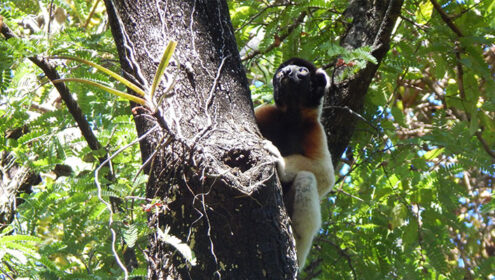
Kasijy Special Reserve spans 23,000 hectares of rich biodiversity and is a vital sanctuary for Madagascar’s unique lemurs, including several threatened species.
Learn more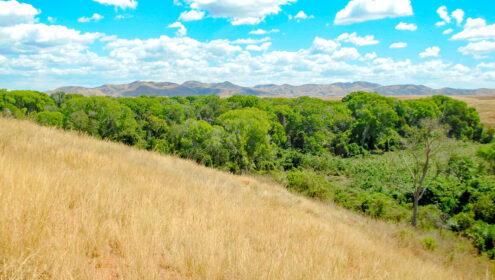
The Dabolava project site, in Madagascar's Menabe region, is home to the Amboloando dry deciduous forest—discovered in 2010 to be the southernmost range of the crowned sifaka.
Learn more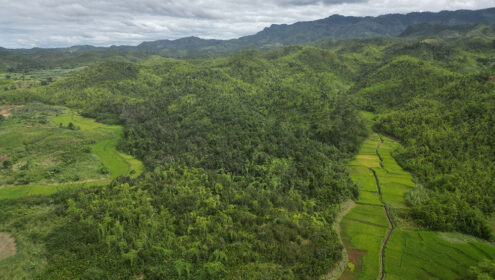
Vohitrarivo, our southernmost project site, is located in the Vatovavy region on the southeastern edge of Ranomafana National Park. In partnership with Help Simus, we focus on conserving the critically endangered greater bamboo lemur (Prolemur simus) and its habitat, while supporting nearby communities in villages such as Vohitrarivo, Sahofika, and Ambodimanga.
Learn more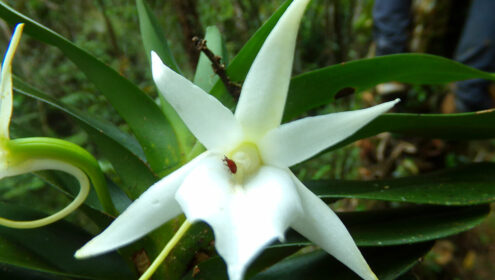
The Iaroka Forest, part of the Ankeniheny-Zahamena Corridor in eastern Madagascar, spans about 3,300 hectares and is co-managed by the local VOI Iaroka association with support from the Fédération France Orchidées. It lies near several key protected areas, including Maromizaha Reserve and Andasibe-Mantadia National Park.
Learn more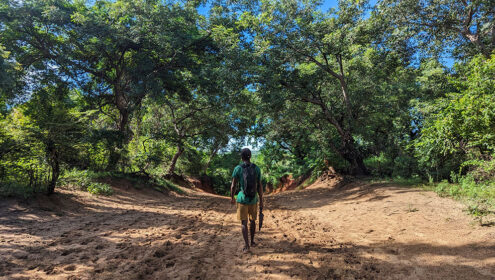
In 2022, IMPACT Madagascar was officially approved to take over the management of the Ambohijanahary Special Reserve, following a joint mission by regional environmental authorities. Our subsequent surveys revealed alarming forest degradation due to illegal logging and agricultural deforestation, prompting immediate action.
Learn more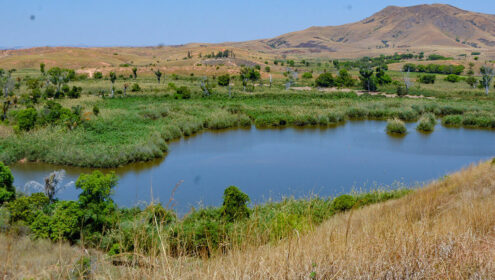
The Mahajeby project site, located in Madagascar’s Bongolava region, includes four villages where we support local conservation efforts: Mahajeby, Kamolandy, Ambohimena, and Sahatampoka. The area contains dry deciduous and gallery forest fragments, along with vital wetlands and rivers that support a range of endemic and threatened species.
Learn more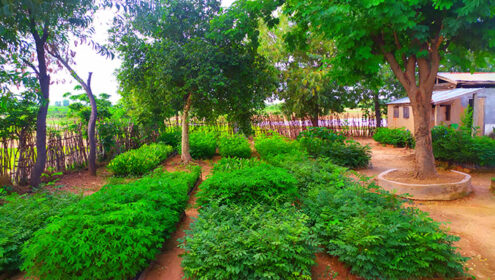
The Madiromirafy site, in the Maevatanana district of Madagascar’s Betsiboka region, is a key intervention area for IMPACT Madagascar. Co-managed with the local community, it protects a diverse aquatic and terrestrial ecosystem home to endemic and critically endangered species, including a significant population of crowned sifakas.
Learn more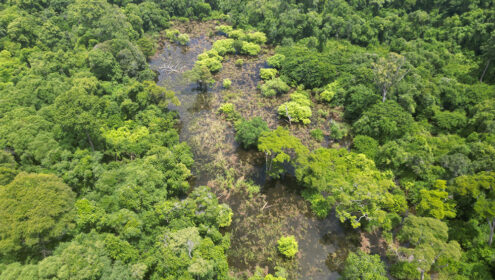
The rural municipality of Ankirihitra is located in the Boeny region of northwestern Madagascar. This area is nationally recognized for its exceptional biodiversity and its extensive dry and gallery forests—some of the last remaining fragments of these habitat types in the country.
Learn more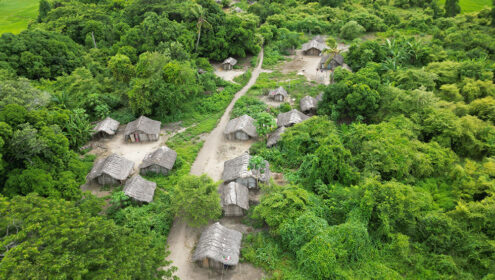
We are working to establish the Mariarano Protected Area, currently managed by local communities via a Natural Resource Management Transfer system involving about 10 VOIs. This site includes the Ankobohobo Key Biodiversity Area and features a rare mix of dry deciduous forests and mangroves rich in terrestrial and marine biodiversity.
Learn more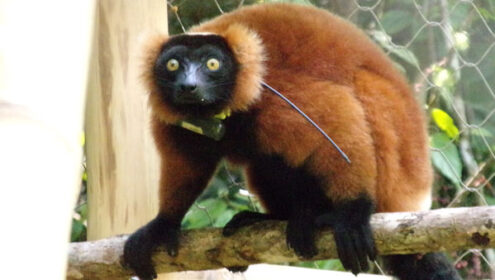
Following a feasibility study, Red Ruffed Lemurs—once native to Farankaraina Park—were reintroduced to support both species recovery and habitat restoration. After successfully translocating two groups in 2018 and 2019, we have continued to monitor their adaptation.
Learn more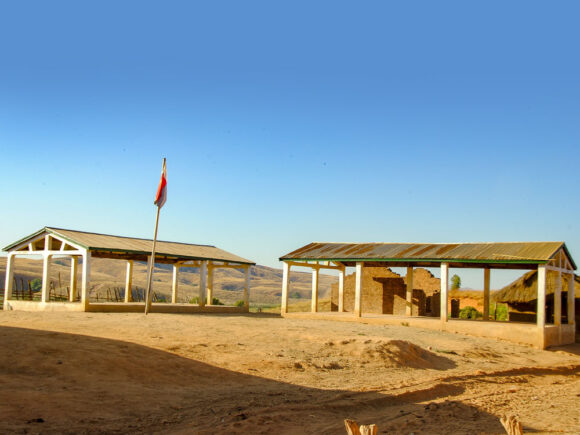
Our broader community projects focus on empowering local people through conservation education, improving environmental health with recycling initiatives, and strengthening infrastructure by constructing essential facilities.
These efforts work hand-in-hand to support sustainable development and foster long-term conservation across Madagascar.